August 13, 2026
Every building development depends on a steady flow of raw materials, heavy equipment, and skilled personnel to advance from initial excavation to structural completion. Among these essential logistical elements, dependable transportation stands as the backbone of jobsite productivity. Without consistent access to necessary aggregates, structural steel, and concrete supplies, even meticulous engineering schedules falter. Effective construction material hauling establishes the cadence for daily site operations and protects the overarching timeline.
Delays in transit ripple across entire developments, causing idle labor and severe financial waste. When transport providers operate with precision, job sites experience seamless transitions between successive build phases. Each delivery arrival triggers subsequent architectural tasks, creating an unbroken chain of productivity. Reliable carriers ensure that project managers execute their schedules without fear of unexpected shortages, storage congestion, or logistical bottlenecks.
Maintaining Project Momentum Through Synchronized Logistics
Project momentum requires rigorous synchronization between distant supply sources and active work zones. Logistics teams coordinate the departure of heavy goods with site readiness, ensuring materials arrive when crews need them for installation. This coordination prevents site overcrowding and eliminates unnecessary storage requirements. As a result, developers maintain clean, functional workspaces that promote steady labor output across every architectural stage.
Effective communication between dispatchers and on-site superintendents forms the core of successful construction material hauling. Real-time tracking platforms allow project leaders to monitor incoming shipments and prepare offloading machinery before trucks arrive. Such transparency minimizes guesswork and lets crews focus on structural assembly rather than shipment tracking. Operational clarity keeps every development phase moving forward without unnecessary delays or confusion.
Avoiding bottlenecks at site entrances requires strategic scheduling and thorough route planning. Congested access roads slow down machinery and impede the movement of site personnel. Dependable transport operators evaluate traffic patterns and local road regulations to determine direct, accessible paths. By circumventing transit obstacles, transport specialists preserve valuable daytime work hours for on-site building activities and structural erection.
Long-term timeline stability depends on predictable transit performance over months of structural development. Consistent delivery patterns enable contractors to set realistic milestones for financial investors and future occupants. When supply lines remain unbroken, contractors meet contractual deadlines and avoid heavy financial penalties associated with overdue project completions. Dependable transit transforms complex scheduling from a hazard into a competitive advantage.
Preventing Costly Downtime Through Dependable Deliveries
Idle labor and stationary equipment represent major financial drains on any building initiative. When crews wait for steel beams, foundation reinforcement, or framing lumber, payroll expenses accumulate without any corresponding structural progress. Dependable haulers mitigate this financial exposure by operating on strict schedules that match the workflow of on-site craftsmen, ensuring continuous productivity from sunrise to sunset.
Supply chain disruptions can derail large-scale developments if carriers lack robust contingency plans. Exceptional transport providers maintain backup vehicles and alternate route maps to handle unforeseen road closures or supplier delays. This preparedness ensures that minor logistical hurdles do not escalate into extended project standstills. Active risk management keeps developments moving despite regional traffic snarls or supply shortages.
Modern building methodologies rely on just-in-time delivery models to optimize cash flow and space utilization. In this framework, construction material hauling functions as an extension of the jobsite inventory system. Materials arrive right as structural phases demand them, freeing up capital that would otherwise remain tied up in excess storage. Lean inventory management reduces site clutter and improves worker mobility.
Adverse weather conditions pose frequent challenges to transportation networks and site access. Experienced carriers utilize specialized trailers and weather-resistant securing methods to protect shipments from environmental damage. By safeguarding building supplies during transit, transport operators ensure that materials arrive in prime condition and ready for immediate installation. Moisture protection prevents material degradation and avoids costly replacement delays.
Optimizing Resource Allocation Through Adaptable Fleets
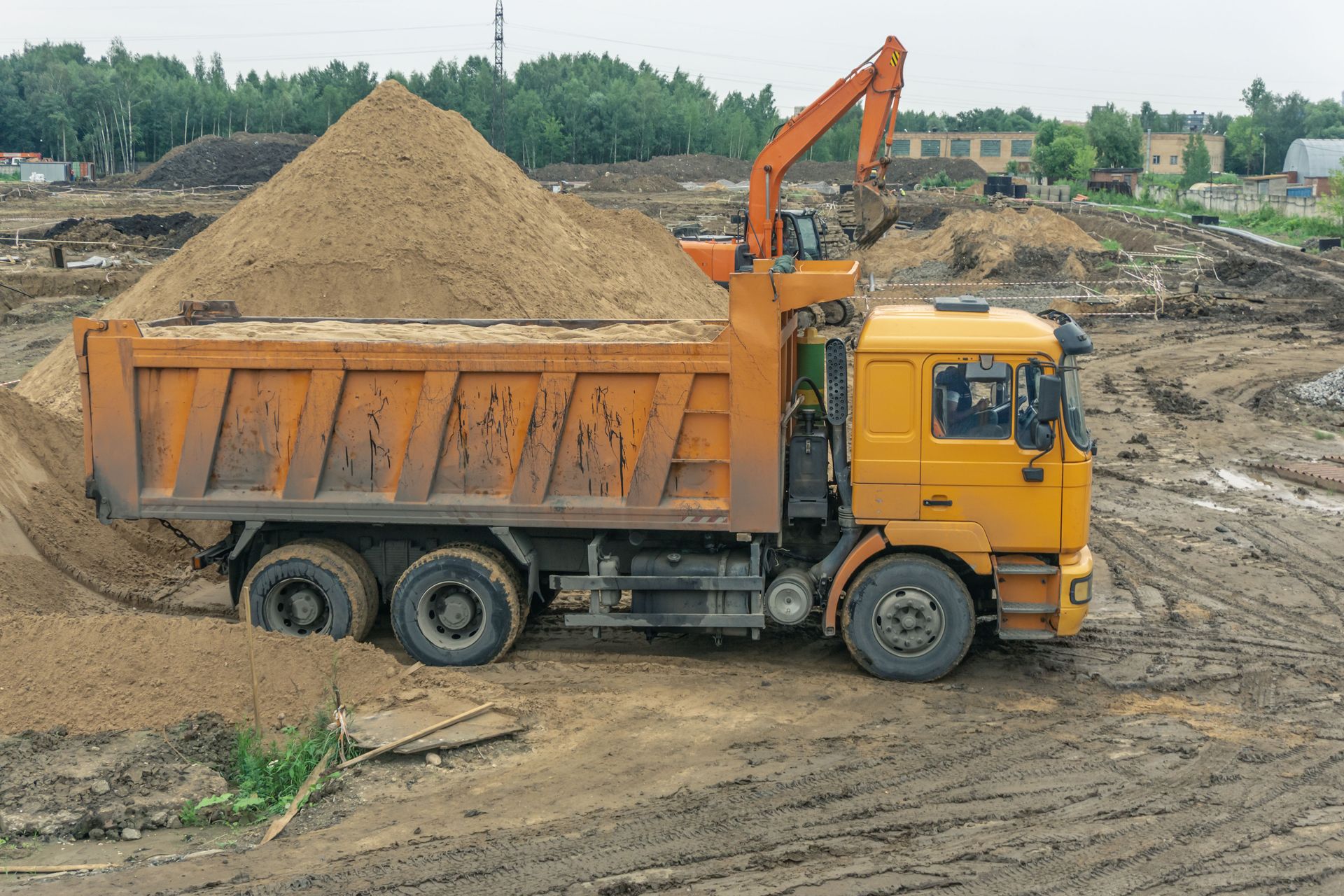
Different phases of a building initiative require distinct trailer configurations and payload capacities. Earthmoving operations call for heavy dump trailers, while high-rise framing demands flatbeds capable of transporting oversized steel members. Dependable transport partners offer diverse vehicle selections that match every unique cargo profile. This versatility prevents equipment misuse and protects fragile architectural elements during highway transit.
Industry data underscores the critical role of mid-range payload vehicles in modern infrastructure development. According to Market Research Future, the 30- to 50-ton segment currently leads the heavy-haul truck market, valued for its adaptability across fields ranging from construction to industrial shipping. This adaptability allows carriers to support varied project demands with maximum efficiency.
Fleet diversity also enables contractors to scale construction material hauling volume as developments transition from foundation work to interior finishes. During peak structural phases, carriers deploy additional units to accommodate surge demands. As requirements taper down, transportation capacity scales back, allowing project managers to control expenditure without sacrificing logistical support. Flexible capacity prevents budget overruns across extended build cycles.
Handling specialized architectural elements requires equipment tailored to delicate or unconventional dimensions. Precast concrete panels, modular building sections, and sensitive mechanical units demand custom rigging and securement. Carriers with adaptable fleets provide exact rigging and air-ride suspension systems necessary to transport complex assemblies without structural stress or surface blemishes. Proper handling preserves component integrity from factory floor to jobsite installation.
Protecting Jobsite Productivity Through Safety Standards
Strict safety compliance in transportation directly protects jobsite productivity and prevents legal disruptions. Rigorous adherence to cargo securement regulations eliminates road hazards and protects the public. When carriers operate within established transportation laws, developers avoid regulatory interventions, road infractions, and impoundments that could halt the arrival of essential supplies. Compliance serves as an assurance of uninterrupted workflow.
Professional vehicle operators undergo extensive training in hazard recognition and defensive driving techniques. Their expertise reduces on-site accidents during complex backing maneuvers and loading procedures. By prioritizing safety during construction material hauling, carriers safeguard site personnel and preserve structural works-in-progress from accidental collisions with maneuvering equipment. Safe jobsite navigation protects workers and prevents costly damage to site infrastructure.
Preventive vehicle maintenance serves as a defense against unexpected mechanical failures on the road. Dependable transport companies subject their rigs to frequent mechanical inspections, tire evaluations, and brake system overhauls. Well-maintained transport equipment operates with reliability, eliminating breakdown-related delays that could leave building crews waiting for essential tools and components. Consistent machinery uptime translates directly into consistent building progress.
Responsible traffic management by transport operators also preserves positive relations with surrounding communities. Minimizing noise, avoiding residential shortcuts, and keeping roadways free of debris prevent municipal complaints. Maintaining neighborhood goodwill helps developers secure future permits and avoids local ordinances that could restrict delivery hours or route access. Good community relations keep site access open throughout the construction lifecycle.
The success of any building venture hinges on the seamless integration of logistics with on-site engineering. Every beam, yard of concrete, and piece of machinery must traverse complex road networks before contributing to the built environment. Efficient construction material hauling transforms raw supplies into active architectural progress, ensuring that work proceeds according to planned timelines and financial budgets.
When developers collaborate with dependable transportation providers, they gain a strategic advantage over schedule uncertainties. Unbroken supply chains empower labor crews, protect financial budgets, and deliver finished structures to owners without delay. Reliable logistics serve as the silent force that drives structural achievements from initial blueprint to completion, proving that punctual transport is essential to construction excellence. At Wishall Transport, we are ready to keep your next project on schedule with dependable construction material hauling tailored to your exact needs. Contact us today to discuss your timeline and let our team streamline your jobsite logistics.