May 8, 2026
The freight hauling industry is a vital pillar of global trade and commerce, responsible for moving goods across vast distances both domestically and internationally. It is an industry of immense scale and complexity with a profound impact on economic progress and everyday life. In this exploration, we dive deep into the elements that define the sector, examine the current market landscape, and explore the challenges and opportunities ahead. By analyzing the evolution and trends shaping the industry, stakeholders can better navigate the intricate web of logistics and transport networks that comprise this essential field.
Overview of the Freight Hauling Industry
The freight hauling industry encompasses a broad array of services tasked with the movement of goods on local, regional, and international scales. Core components include transport vehicles, logistics services, and the infrastructure necessary to facilitate the continuous flow of commodities across the globe. These networks ensure that raw materials and finished products reach their destinations efficiently to maintain the stability of modern supply chains. By integrating various transportation modes and logistics services, the industry maintains the reliability critical to global commerce.
Robust logistics and supply chain management systems are integral to the industry's stability and overall efficiency. These systems ensure that goods are transported from origin to destination with minimal disruption while utilizing real-time tracking to optimize routes. As global trade grows, logistics operations must continuously adapt to changing market conditions and emerging technological advances to stay competitive. Understanding these intricacies is key to grasping the essence of modern transport operations.
Another critical component of freight hauling is the massive workforce needed to manage and operate vehicles and logistics hubs. This includes drivers, dispatchers, and supply chain managers who coordinate complex operations and ensure compliance with strict safety regulations. Addressing labor shortages remains a top priority for the industry as it seeks to maintain its foundational role in the global economy. With millions of professionals employed worldwide, this workforce remains essential to the industry's long-term success.
Historical Evolution and Economic Impact
The historical evolution of the industry reveals a narrative of constant innovation and resilience. From the ancient trade routes of the Silk Road to the invention of the diesel-powered truck, technological advancements have catalyzed exponential growth in transport capabilities. The 20th century further expanded these methods through containerization, which revolutionized how goods are moved across oceans and continents. Understanding this history underscores the industry's ability to adapt to changing economic landscapes over many centuries.
Today, freight hauling plays a pivotal role in the economy by facilitating trade and ensuring the distribution of essential goods. It supports numerous sectors, including manufacturing, agriculture, retail, and e-commerce, by moving raw materials and finished products. The industry's contributions to global GDP are substantial, making it a key driver of modern economic growth and regional development. Logistics services create value by reducing transport costs and enhancing operational efficiency for businesses of all sizes.
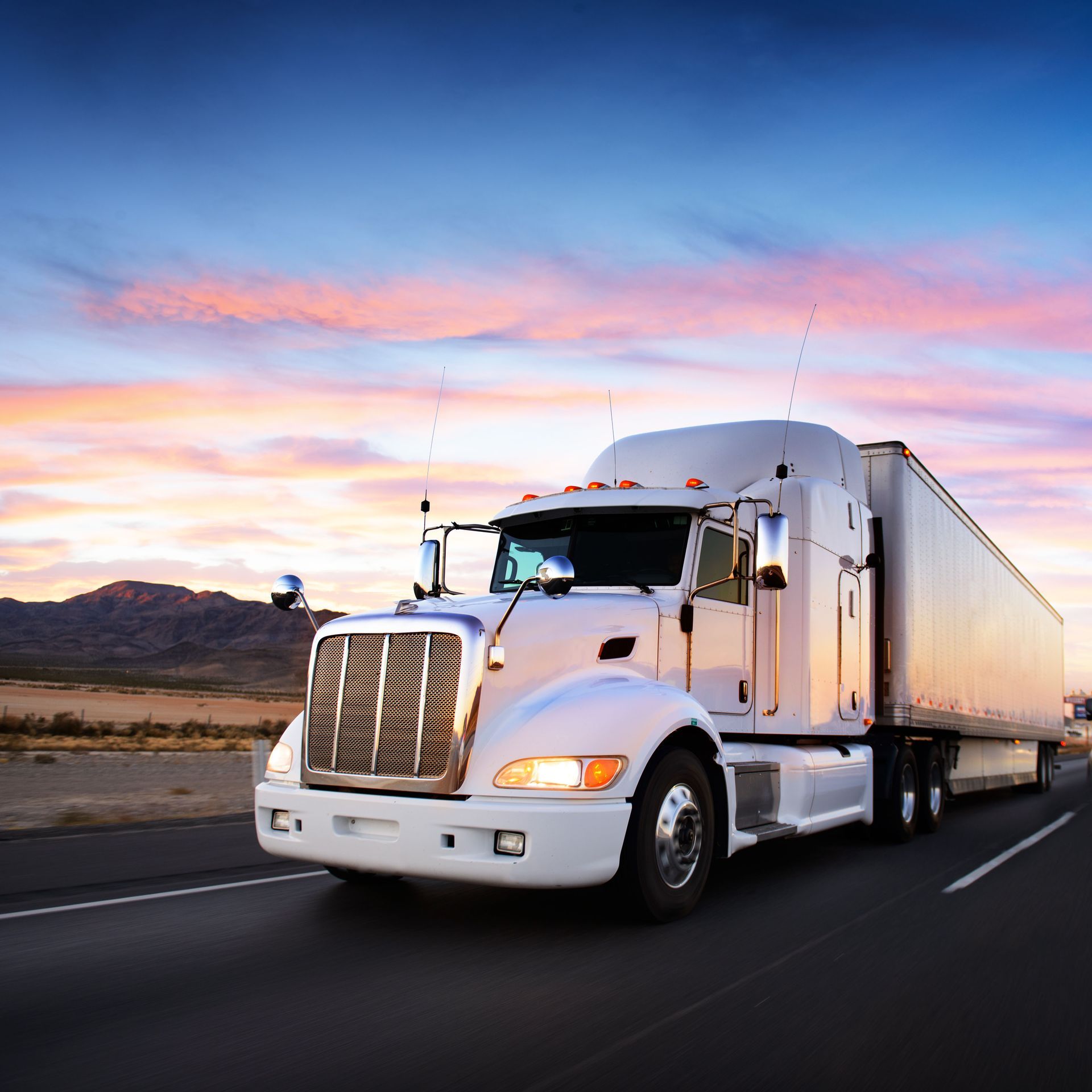
According to GEOTAB, there are 13 million large trucks in the U.S, accounting for 5% of all registered vehicles. This vast number of vehicles illustrates the sheer scale of the industry and its capability to move goods efficiently across great distances. The employment opportunities provided by this sector contribute significantly to both regional and national economies by fostering domestic and international trade. As global markets continue to expand, the industry’s potential to drive economic prosperity remains a central theme for policymakers.
Market Size and Growth Trends
The current market valuation of the freight hauling industry is a testament to its colossal scale and economic importance. As international commerce flourishes, the demand for logistics and transport services rises, resulting in a global valuation estimated in the trillions of dollars. This valuation reflects the industry's indispensable role in keeping the world’s supply chains moving without interruption. It covers diverse modes of transportation, from road and rail to air and maritime, each contributing to a dynamic market.
Annual growth rates in the sector remain steady, influenced by trade volumes and increasing consumer demands. As economies recover from global disruptions, freight logistics witness renewed growth and optimism among investors and operators. This expansion is further fueled by the rise of e-commerce, which has introduced new business models focused on rapid, time-sensitive delivery services. Consistent investments in infrastructure and innovation enable industry players to mitigate risks like labor shortages and geopolitical tensions.
Technology acts as a major catalyst for expansion by transforming how goods are managed and tracked. Innovations in digital tracking and supply chain analytics facilitate seamless operations across vast distances and improve delivery precision. This technological infusion fortifies the industry's capability to meet the growing demands of modern commerce while reducing operational overhead. Furthermore, digital freight matchmaking platforms are optimizing capacity utilization and reducing inefficiencies for smaller carriers.
Modes of Freight Transportation
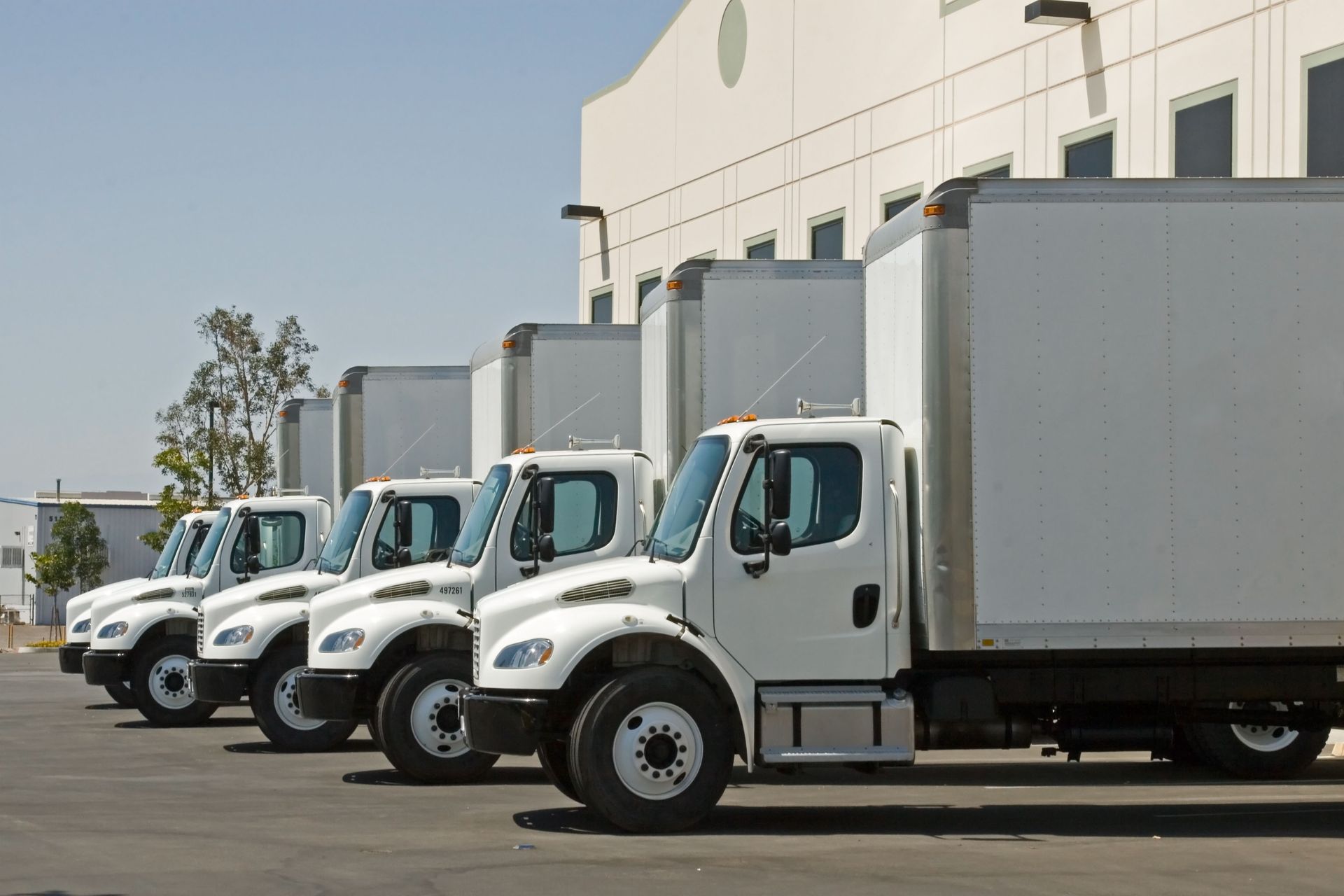
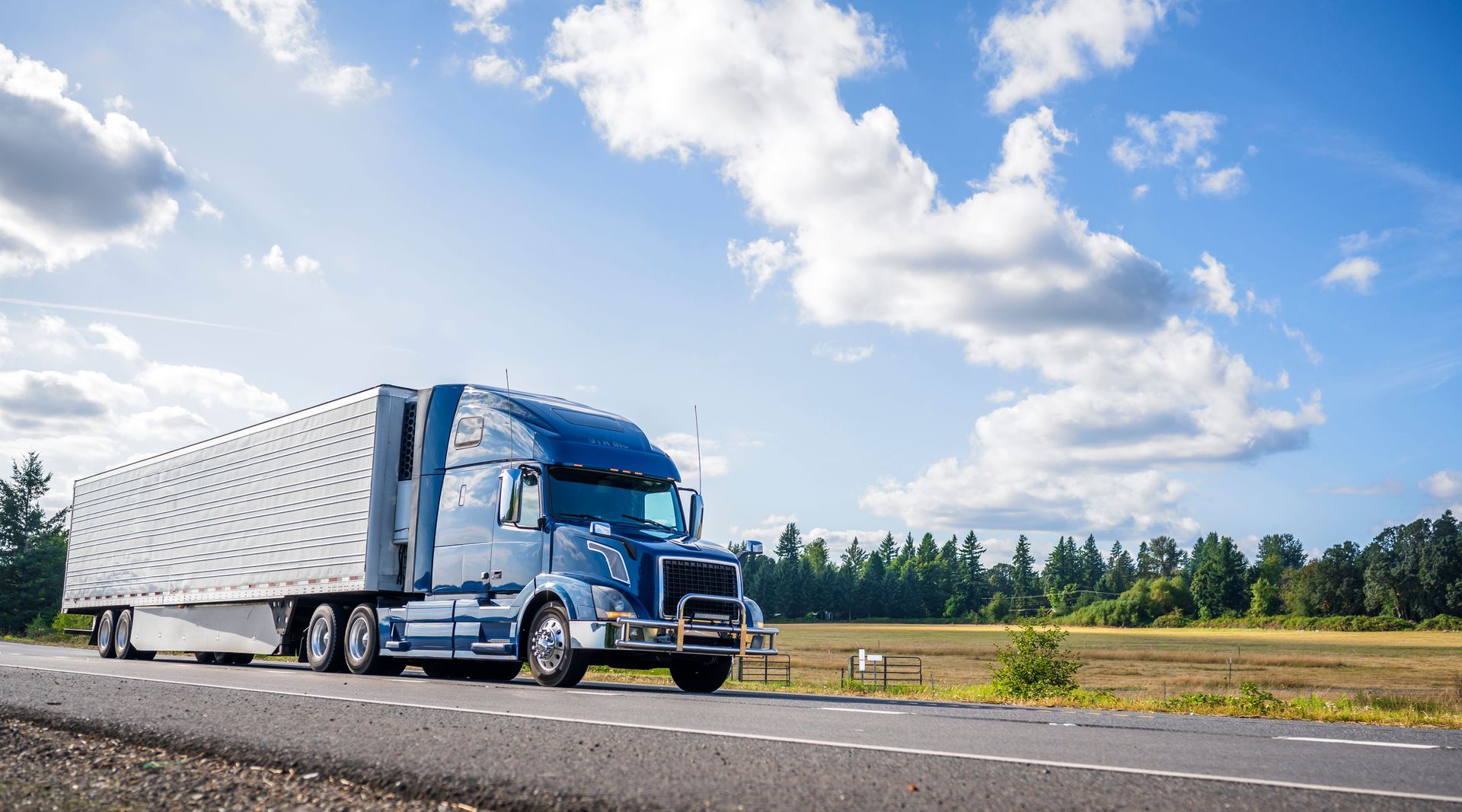
Road freight hauling emerges as one of the most vital components of the industry due to its unparalleled flexibility and accessibility. It utilizes trucks and specialized vehicles to transport goods across short and long distances, reaching areas that are often inaccessible by rail or maritime transport. This mode is essential for "last-mile" delivery, ensuring products move from distribution centers directly to the end consumer. The extensive highway networks in developed nations serve as the primary arteries for this type of commerce.
Rail transportation serves as a highly efficient and sustainable mode for moving bulk goods over long distances. It offers economies of scale that reduce costs and environmental impact, making it ideal for coal, minerals, and agricultural products. As logistics strategies evolve, rail remains a critical component for optimizing transport efficiency across large landmasses. Modernized train designs and automated loading systems continue to enhance the reliability and precision of rail logistics.
Air and maritime transport are also essential for the global freight hauling network. While maritime transport handles the highest volume of international trade via shipping containers, air freight is the preferred choice for high-value or time-critical shipments. Together, these various modes form a cohesive system that keeps the global economy functioning at peak performance. The shift toward sustainable energy, such as electric vehicles and alternative fuels, is the next major frontier for all transportation modes.
The Future of the Industry
The future of the industry will be defined by a shift toward sustainability and the integration of autonomous technologies. Electric vehicles and alternative fuels are becoming more common as companies strive to reduce their carbon footprints and meet new environmental regulations. These changes represent a major shift in how the industry operates, prioritizing long-term ecological health alongside profitability. Automation and AI are also expected to play a larger role in streamlining dispatching and warehouse management.
Furthermore, emerging markets in Asia-Pacific and Latin America present significant opportunities for infrastructure investment and growth. These regions are experiencing rapid urbanization, which fuels the demand for more sophisticated logistics and transport networks. By embracing these global shifts and investing in new technologies, the freight hauling industry will continue to expand its reach and improve the efficiency of trade on a worldwide scale. The ability to bridge geographical gaps ensures that this sector remains the heartbeat of global connectivity.
The resilience and adaptability of the transportation sector will determine the pace of global economic recovery as we move forward. Companies that prioritize digital transformation and sustainable logistics will lead the next era of commerce. By optimizing every route, the industry ensures a stable future for international trade and local delivery alike. For more information, contact Wishall Transport today.