March 10, 2026
Freight companies play a critical role in keeping goods moving across the nation, from raw materials to finished products. Ensuring safe and timely deliveries requires careful planning, skilled personnel, and reliable technology. By understanding how these companies operate, businesses and consumers can gain confidence that their shipments will arrive as expected.
Implementing Rigorous Safety Standards
Safety is a top priority for all reputable freight transportation companies because the stakes are high—trucks and other freight vehicles transport valuable cargo over long distances, often through congested highways, adverse weather, and challenging terrain. Any lapse in safety can result in costly damage, delivery delays, or even injury. To address these risks, companies establish strict safety protocols that cover every aspect of operations, from vehicle maintenance to driver training and cargo handling.
Regular vehicle inspections are conducted to identify potential mechanical issues before they become serious problems, including brake performance, tire condition, lighting systems, and engine reliability. Drivers are trained not only in defensive driving techniques but also in proper load distribution, emergency procedures, and adherence to federal and state regulations. Cargo is secured using industry-approved methods to prevent shifting or falling during transit. These comprehensive safety measures reduce the risk of accidents, protect valuable goods, and ensure shipments arrive on time, maintaining both operational efficiency and customer trust.
Leveraging Advanced Technology
Modern freight companies rely heavily on advanced technology to track shipments, optimize routes, and monitor vehicle performance, creating a seamless and efficient delivery process. GPS tracking systems provide real-time visibility of each vehicle, allowing companies to inform clients of delivery status and estimated arrival times with accuracy.
Telematics systems take this a step further by monitoring driver behavior, such as speed, braking patterns, and adherence to safety protocols, as well as key vehicle health indicators like engine performance, fuel consumption, and maintenance needs. This level of monitoring helps detect potential delays or mechanical issues early, allowing companies to implement corrective actions before problems escalate.
Route optimization software further enhances efficiency by analyzing traffic patterns, construction zones, weather conditions, and road restrictions to identify the fastest and safest paths. This not only reduces transit time but also lowers fuel consumption and operating costs. By integrating advanced technology with the expertise of experienced drivers and logistics personnel, freight transportation companies achieve a balance of safety, reliability, and efficiency, ensuring goods arrive on time and in excellent condition.
Maintaining Skilled and Trained Personnel
Human expertise is essential to safe and timely freight delivery. Drivers, warehouse staff, and logistics coordinators all play critical roles in the shipping process. Comprehensive training programs ensure personnel understand vehicle operation, cargo handling, and safety procedures.
Freight companies often implement ongoing training to keep employees up to date on regulations and best practices. Experienced staff can anticipate potential issues, make informed decisions on the road, and coordinate effectively with dispatch teams. Their knowledge and professionalism are key factors in maintaining consistent delivery performance.
Ensuring Proper Cargo Handling
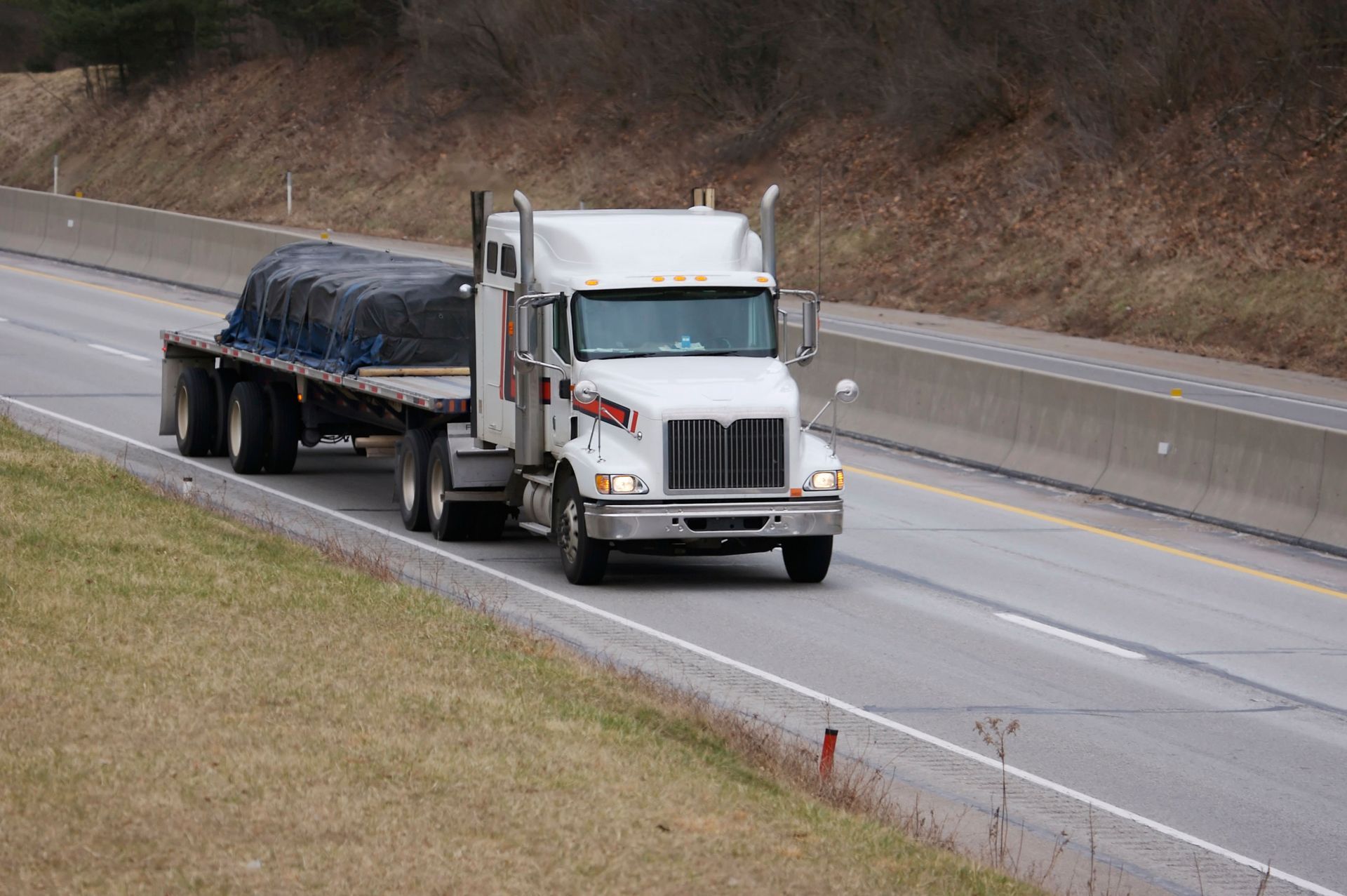
Proper cargo handling is crucial to prevent damage and maintain schedule integrity. Freight transportation companies follow established protocols for loading, securing, and unloading goods. This includes using appropriate equipment, such as straps, pallets, and shrink wrap, to stabilize cargo during transit.
Specialized handling procedures are applied for fragile, hazardous, or perishable items. This attention to detail reduces the likelihood of loss or damage and supports compliance with safety regulations. By ensuring cargo is secure from start to finish, freight companies maintain the integrity of the shipment and the trust of their clients.
Conducting Regular Vehicle Maintenance
Well-maintained vehicles are essential for safe and timely deliveries. Freight trucks are subjected to heavy use and long hours on the road, making preventive maintenance critical. Freight transportation companies schedule routine inspections, oil changes, tire checks, and brake maintenance to avoid breakdowns and delays.
Proactive maintenance minimizes unexpected repairs that could disrupt delivery schedules. It also enhances safety by ensuring vehicles operate reliably under various road and weather conditions. Consistent upkeep of the fleet demonstrates a commitment to both safety and customer satisfaction.
Complying with Regulatory Standards
Freight transportation companies operate under strict federal, state, and local regulations to ensure safety and accountability. Compliance includes driver hours of service, vehicle weight limits, hazardous material handling, and environmental standards. Adhering to these rules protects drivers, other motorists, and the cargo itself.
Regular audits and inspections are often conducted to verify compliance and identify areas for improvement. By maintaining high regulatory standards, freight transportation companies reduce the risk of accidents, fines, or delays. Compliance is an essential part of delivering freight safely and on time.
Utilizing Efficient Logistics Management
Effective logistics management is key to meeting delivery schedules. Freight companies coordinate multiple stages of the supply chain, from pickup and transport to warehousing and final delivery. Sophisticated software tools track shipments, manage inventory, and schedule resources efficiently.
This coordination ensures that shipments are routed correctly, inventory levels are managed, and bottlenecks are minimized. Proper logistics planning helps freight transportation companies meet deadlines consistently and handle unexpected challenges without compromising service quality.
Planning for Contingencies and Emergencies
Even with careful planning, unforeseen events can disrupt freight delivery. Freight transportation companies prepare contingency plans for emergencies such as severe weather, traffic delays, or equipment failure. These plans include alternative routes, backup vehicles, and emergency response protocols.
Preparedness allows companies to respond quickly and maintain delivery timelines despite challenges. Drivers and logistics teams are trained to implement these measures, minimizing the impact on customers. Contingency planning is a vital component of ensuring reliable service.
Prioritizing Communication and Customer Service
Clear communication with clients is critical for maintaining trust and meeting expectations. Freight companies provide updates on shipment status, estimated delivery times, and any issues that may arise. Open communication allows businesses to plan operations around expected delivery windows.
Strong customer service also involves listening to client needs and responding promptly to questions or concerns. By combining effective communication with technical expertise, freight transportation companies enhance the overall shipping experience and reinforce confidence in their services.
Supporting Environmental Responsibility
Sustainable practices are becoming increasingly important in the freight industry. Fuel-efficient vehicles, optimized routes, and reduced idling help minimize emissions. Some companies also invest in hybrid or alternative-fuel trucks to reduce environmental impact.
Environmental responsibility not only supports community and regulatory goals but also contributes to operational efficiency. By lowering fuel consumption, freight transportation companies reduce costs while promoting safer, greener transportation.
Contributing to National Freight Movement
Freight transportation companies are essential to the nation’s economy, moving goods of all types across local, regional, and national routes. According to the American Trucking Associations, trucks moved roughly 72.7% of the nation's freight by weight in 2024. This demonstrates the critical role freight transportation companies play in ensuring goods reach their destinations safely and efficiently.
By maintaining high standards, investing in technology, and training skilled personnel, these companies keep the supply chain flowing. Their work underpins commerce, supports businesses, and meets consumer demand for timely delivery.
Freight companies ensure safe and timely deliveries through rigorous safety standards, skilled personnel, advanced technology, and effective logistics management. By focusing on maintenance, compliance, and customer communication, these companies protect cargo, drivers, and the supply chain. Their dedication allows goods to move efficiently across the country, meeting both business and consumer needs reliably. If you want to learn more about the freight transportation industry, contact us at Wishall Transport today!